.svg)

How Chas Everitt uses PayProp to streamline their business
Renting property wasn’t always a focus for the Chas Everitt International Property Group.
.png)
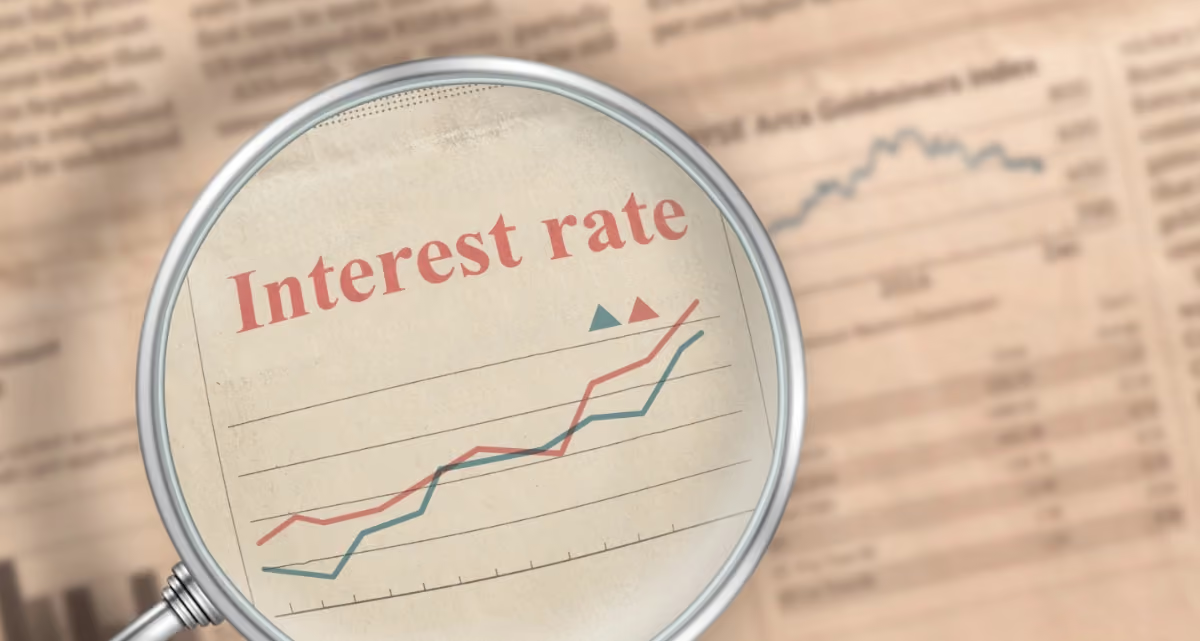
In a unanimous decision, central bankers kept the prime rate at 10.25% at their latest meeting. They also warned they could raise rates later this year if underlying conditions get worse. Global instability has raised the prices of fuel and other goods, with some economists expecting inflation to rise to 4.5% in the short term. Economists expect a 0.25% rate hike in May.
That means there may be limited relief for tenants, who are spending a growing share of their income on debt repayments. According to the latest PayProp Rental Index, the average tenant spends 46% of their income on debt, up from 44.1% a year earlier. And with prices rising, their 25.5% disposable income (down from 27.2% in Q4 2024) isn’t going as far as it did before. Adding a rate hike on top of this would be a double blow.
The average tenant now spends around 60% more on debt than on rent, according to the PayProp Rental Index – and while the share of income spent on rent has fallen, debt spending is prone to rise during a lease.
Sophisticated tenant vetting tools, like the PayProp Tenant Assessment Report, let agents assess tenants’ indebtedness as well as compare their income to the rent applied for. Understanding applicants’ debt spending and modelling the effects of interest rate rises can help agents place tenants that can pay reliably and pass fresh affordability checks at renewal.
What if tenants still struggle to pay rent? Find out how to encourage more reliable payments here.
Sign up for the month's most important UK private rented sector headlines, curated by us.